


Flying with a car seat and stroller: The guide to a smooth flight
Travel can be stressful! When you add a baby into the mix, it can be overwhelming. So, now that you’ve checked your baby travel checklist and know what to pack. What’s next? Keeping your little one protected is always a top priority, and using an aircraft-approved car seat is essential to make sure they’re safe. With so much information out there about airline policies, which car seat to choose and how to best position your child, it can be more than a little confusing to know how to make your trip safe and stress-free.
The good news is that with a little bit of research and planning, you can ensure a smoother travel experience, so you can enjoy your flight and feel confident knowing your little one is safe and secure. Here’s everything you need to know about how to fly with an infant car seat
Contact the airline ahead of time
It’s always better to have everything confirmed in advance to make the day of travel as stress-free as possible. Call the airline before leaving on your trip to make sure car seats are permitted as well as confirming your seat assignment, and consider keeping documentation of your conversation, just in case you need to reference it later. This will ensure you don’t encounter any issues once onboard.
Double-check ticket requirements
Two is the magic age for traveling with children. In general, if they’re under two years old they fly free, but if your little one is older than two, you must purchase an additional ticket. Each airline has their own regulations when it comes to tickets for children and infants, so make sure to check the rules for the one you’ll be flying with, especially when traveling with a car seat.
Know where to sit
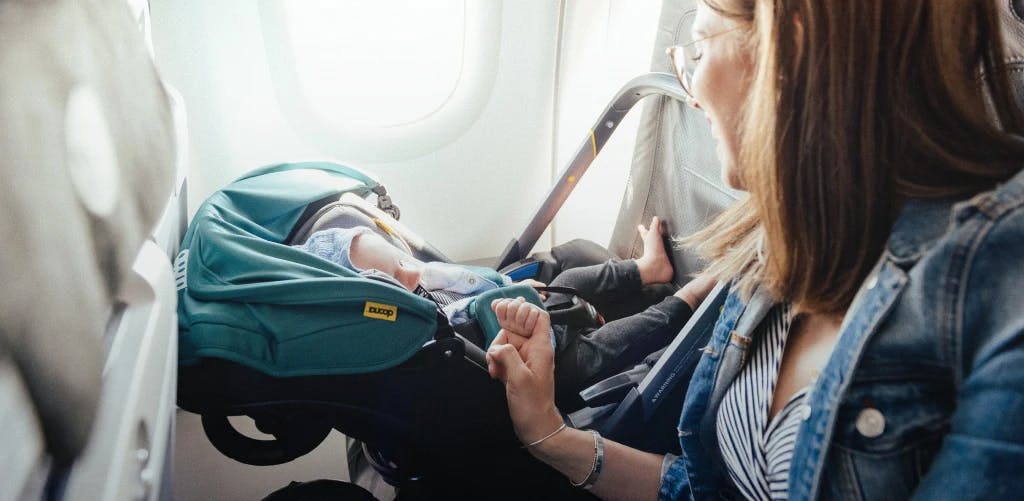
Using a car seat on the plane keeps your little one safe, but they can also be bulky and may get in the way of others. The window seat is the best place for your baby, as it won’t block walkways or act as a barrier to climb over if you need to exit the row quickly. For this reason, the window seat is often the only place airlines will allow for traveling with car seats. To help the boarding process go as smoothly as possible, for both you and those around you, make sure to purchase the appropriate seat.
Gate checking vs ticket (luggage) checking
Keeping your child in an airplane car seat on the plane is safe, but not required. Every parent is different, and some choose to bring their car seat for use at their final destination, but not while in the air. If this is the case, make sure to look at options for checking the seat.
Option 1: Gate checking your car seat and stroller
Gate checking is a very popular and practical option for families, as it allows you to keep your gear with you for as long as possible before boarding.
Benefits for a smooth journey:
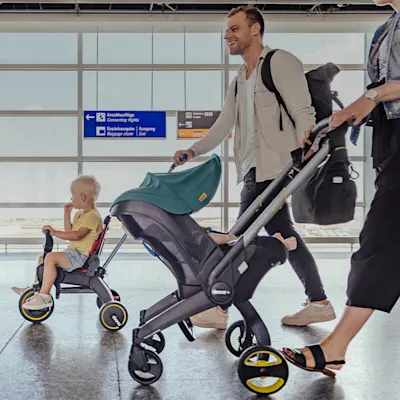
Hands-free travel: You maintain the glorious hands-free moments that come with using your stroller or car seat travel system. You can effortlessly manage your child, and the stroller's undercarriage can hold your diaper bag and purse while you navigate the terminal.
In-airport security: Your child has a safe, familiar place to rest or nap during layovers and long waits at the gate.
Reduced damage risk: By checking the items at the jetway, you minimize the chance of rough handling, as airline personnel will hand-carry them onto and off the plane.
Last-minute seat opportunity: If you did not purchase a seat for your infant, having the FAA-approved car seat with you allows you to ask the gate agent for an empty seat. If one is available, your child can fly safely secured in their booster seat.
Potential Hassles:
The boarding scramble: Make sure your car seat is ready for airplane installation. It can be a commotion at the end of the jetway as you must quickly unclip the car seat, take your child out, fold the stroller, and pack both items into a protective bag before boarding the plane.
Added bulk at security: You must manage, fold, and load the extra items onto the security belt, which adds complexity to the TSA screening process.
Option 2: Luggage checking your car seat and stroller
Choosing to check your items at the ticket counter streamlines your passage through the airport and focuses on protecting your gear for the duration of the trip.
Benefits for ultimate protection & simplicity:
Immediate freedom: You are completely hands-free immediately after check-in, making it simple to manage your baby and carry-ons without the hassle of installing a car seat or pushing bulky gear through the crowded terminals.
Maximum gear protection: You are able to use a durable, fully padded car seat travel bag - often equipped with wheels or backpack straps—which provides the ultimate protection against scratches, dirt, and general wear and tear from baggage handling.
Hassle-free arrival: Your gear will meet you at the baggage claim carousel or oversized counter at your final destination, so you don't have to wait for it right at the aircraft door.
Potential complications:
Carrying your child: You sacrifice the in-airport use of the carrier, meaning you will need to hold your baby or use a wearable carrier/sling the entire time you are in the airport.
Increased risk of damage: Items checked at the ticket counter are subject to the same rough handling as all checked bags, increasing the risk of major damage or twisting of internal parts during transit, particularly for an infant seat.
Need a backup plan: If your baggage is delayed or lost, you arrive without a car seat, requiring you to have a replacement plan ready.
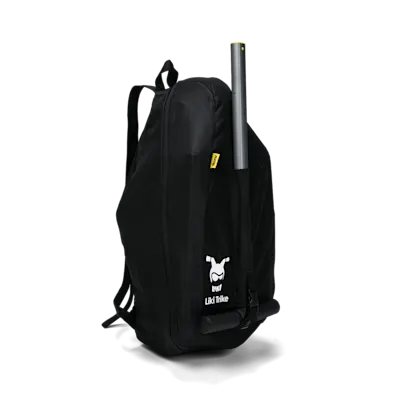
To keep your car seat fully protected during air travel, consider packing the car seat in a well-padded, secure bag, like the Doona Travel Bag. It’ll make carrying the travel car seat through the airport easier, too!
Have documentation on hand
Even after preparing for your trip by doing all the research ahead of time, confirming with the airline and purchasing the correct seat, mistakes can still happen because not every airline is the same.
On the off-chance an attendant is not aware of the rules, or tries to remove your car seat, make sure you’re ready by having the relevant FAA rules for bringing a car seat on an airplane, along with proof of your car seat’s aircraft approval. Additionally, you may want to bring a copy of that particular airline’s car seat policies, or at least read up on them.
Choose the right car seat
When it comes to bringing your car seat with you on your travels, smaller is better. The smaller and more lightweight your car seat, the easier it will be to carry through the airport, onto the plane, and anywhere else your trip may take you. With so much else to carry, including your baby, you don’t want to lug around a heavy car seat on a plane.
Car seat bag and cover
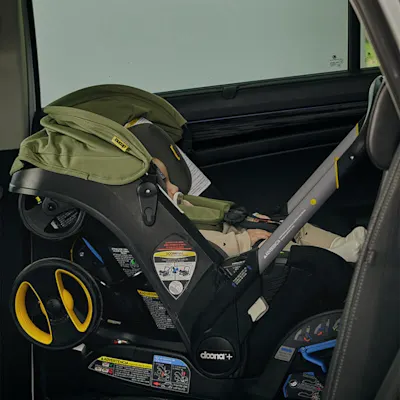
A travel car seat bag or cover can be useful for protecting your car seat from damage during transit. It provides an extra layer of padding and prevents scratches, dirt, and general wear and tear. When it comes to travelling with the Doona Car Seat & Stroller, you can also purchase the travel bag or padded travel case which perfectly fit the Doona. If you're using the Doona as a car seat during your flight, there's no need for a bag. Simply stroll through the airport with ease, and bring it onto the flight without the hassle of packing it away!
Age limit for car seats on airplanes
Children can typically fly on a plane in a car seat from birth onwards, as long as the car seat is approved for use on aircraft. Many airlines allow infants as young as a few days old to travel in their own car seat, provided it meets safety regulations and is properly secured in an airplane seat. However, it's essential to check with the airline beforehand to ensure compliance with their specific policies and regulations regarding child safety restraints.
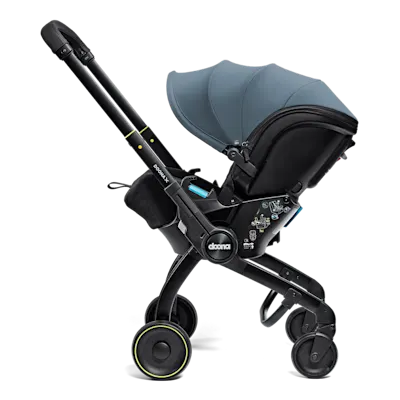
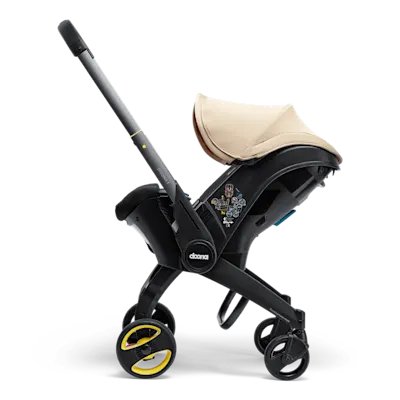
The best option is a car seat that serves a dual purpose, like the Doona Car Seat & Stroller. By seamlessly transitioning from car seat to stroller with one click, the Doona makes it simpler than ever to get to the gate and board the plane in stroller mode, then quickly transform to car seat mode once at your seat. With only the highest safety features including a 5-point harness system and crash testing, you can be confident your little one will be secure for the whole flight. Plus, its aircraft are approved and fit in most overhead bins, no check-in required.
Check Doona’s parenting tips for more essential resources like family travel hacks and the best ways to travel with the family on a budget. Happy flying!


