












Teaching kids patience: simple strategies for everyday life
Whether they’re waiting for a snack, taking turns with a sibling, or counting down the minutes until a trip to the park, young children often want things to happen right now. Patience is not something children are born knowing—it’s a skill they gradually develop as they grow. Everyday moments provide plenty of opportunities to learn how to wait and manage frustration. Here are some simple ways to help your child develop patience through everyday experiences.
Why patience can be difficult for young children
From a developmental perspective, the early years are the time to test out self-regulation skills, understanding the concept of time, and the beginning of processing emotions. At a young age, a child’s brain is quickly absorbing information, while impulse control is still developing. This can make waiting, managing frustration, and delaying gratification challenging. H2: What does patience look like for young children? For young children, patience doesn’t mean sitting quietly and waiting without getting frustrated. Their understanding of time, impulse control, and emotional regulation are still developing, so even a short wait can feel like a long one. The goal isn’t to expect your child to be patient all the time. Instead, it’s to give them opportunities to practice waiting and coping with frustration in ways that are appropriate for their stage of development. Patience might look like:
Waiting quietly for a few minutes for a snack or activity
Taking turns with a sibling or friend
Waiting for a parent to finish a conversation
Staying calm when something doesn’t go as planned
Finishing one activity before starting another
Hearing “not yet” without immediately becoming upset
6 Tips to Help Kids Build Patience
Teaching your kids patience does not have to be a big event or a set-up to a huge lesson. In fact, the most impactful moments are through small, everyday events that lead to better understanding and compassion for others.
Start with short waits
If your child finds waiting difficult, start small. Try building short waits into things you already do: “I’m going to finish putting these dishes away, and then I’ll help you.” or “We’ll have your snack after we put the toys away.” Once your child becomes more comfortable with short waits, you can gradually increase the amount of time.
Practice taking turns through play
Games are a natural way to practice patience because they give children a reason to wait for someone else. Simple activities like board games, building together, or taking turns with a favorite toy can help children learn that they won’t always get to go first.
Keep it simple and praise the effort: “You waited while your brother had his turn. Now it’s yours!”
These small experiences can help children become more comfortable with waiting and sharing space with others.
Let them experience small moments of boredom
It can be tempting to keep children entertained whenever they have to wait. But they don’t need to be occupied every second. A short wait at a restaurant, in the car, or while you finish an errand can be an opportunity to practice patience. You might encourage your child to look around, talk with you, make up a game, or simply spend a few quiet minutes doing nothing. You don’t have to make every moment educational. Sometimes, learning to wait is the activity.
Help them name what they’re feeling
Patience becomes much harder when a child is overwhelmed by frustration. Instead of immediately trying to fix the situation, acknowledge what they’re feeling: “I know you really want to go outside. It’s hard to wait.” or “You’re frustrated because it’s not your turn yet.”
You’re not giving in—you’re helping your child understand that their feelings are okay while showing them that they can handle those feelings. Over time, this can help children recognize and communicate their emotions instead of reacting immediately to them.
Celebrate progress, not perfection
Learning patience takes time. Your child may wait beautifully one day and struggle with a much shorter wait the next. That’s normal. Rather than expecting perfect behavior, notice the small moments when your child makes progress.
You might say: “I noticed you waited for your turn even though you really wanted the toy. That was hard, and you did it.”
Specific encouragement helps children understand what they’re learning and gives them confidence to keep practicing.
What to say when your child is struggling to wait
Sometimes, the words you use can make a difficult moment feel a little easier. Instead of simply saying “be patient,” try acknowledging the feeling while giving your child something concrete to focus on.
Try phrases like:
“You’re feeling frustrated. Let’s take a breath together.”
“It’s your friend’s turn right now. You’ll have a turn next.”
“You don’t have to like waiting, but we can practice it together.”
The goal isn’t to convince your child that waiting is fun. It’s to help them understand that they can handle it.
Patience is built one small moment at a time
Learning patience is a gradual process supported by repetition, encouragement, and realistic expectations for young kids. Small moments of growth often become the foundation for greater confidence and emotional resilience. By teaching your kids patience, compassion, and understanding, they will become better adults and more prepared for the future.
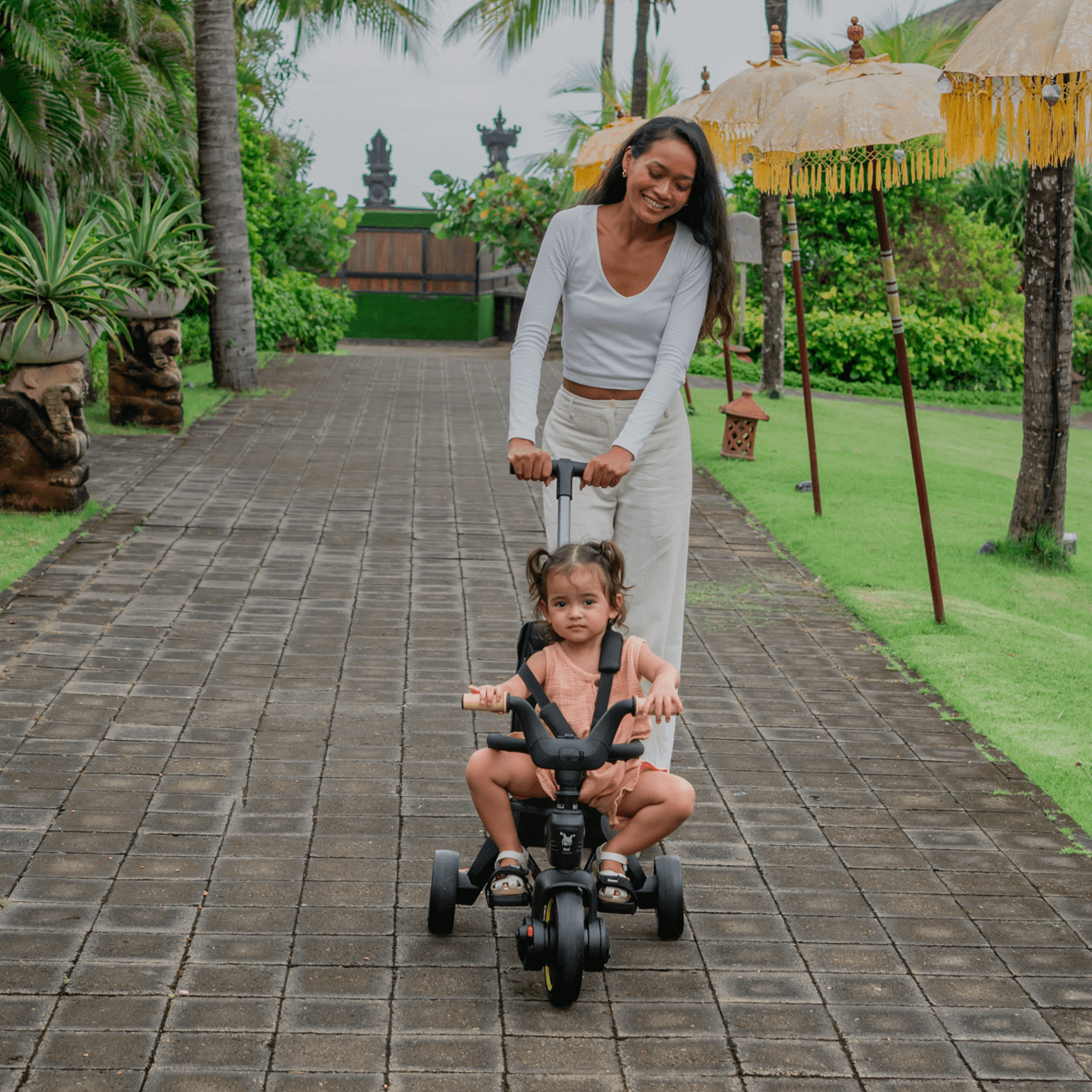
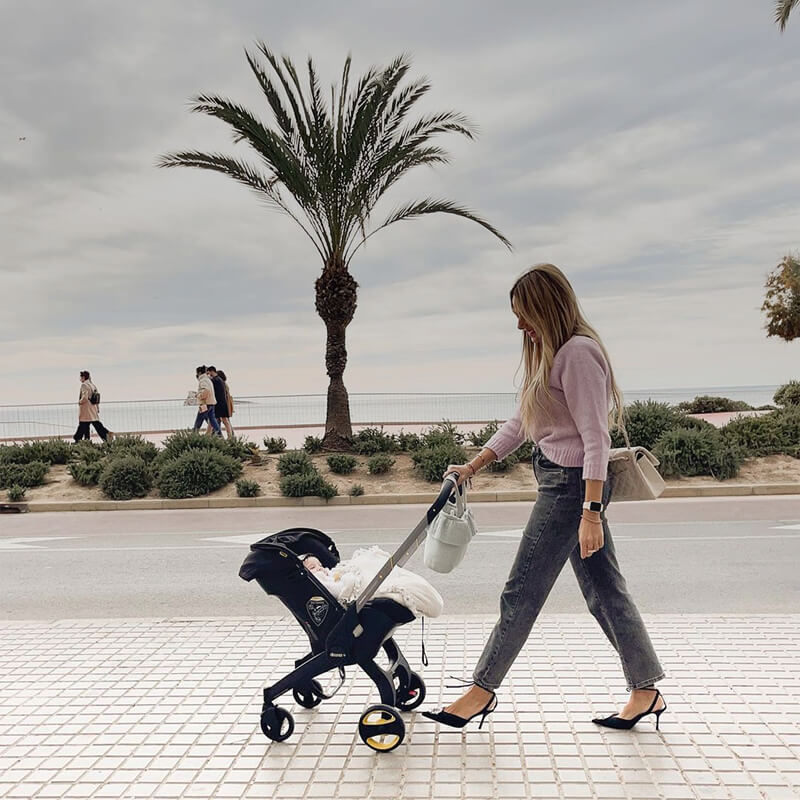
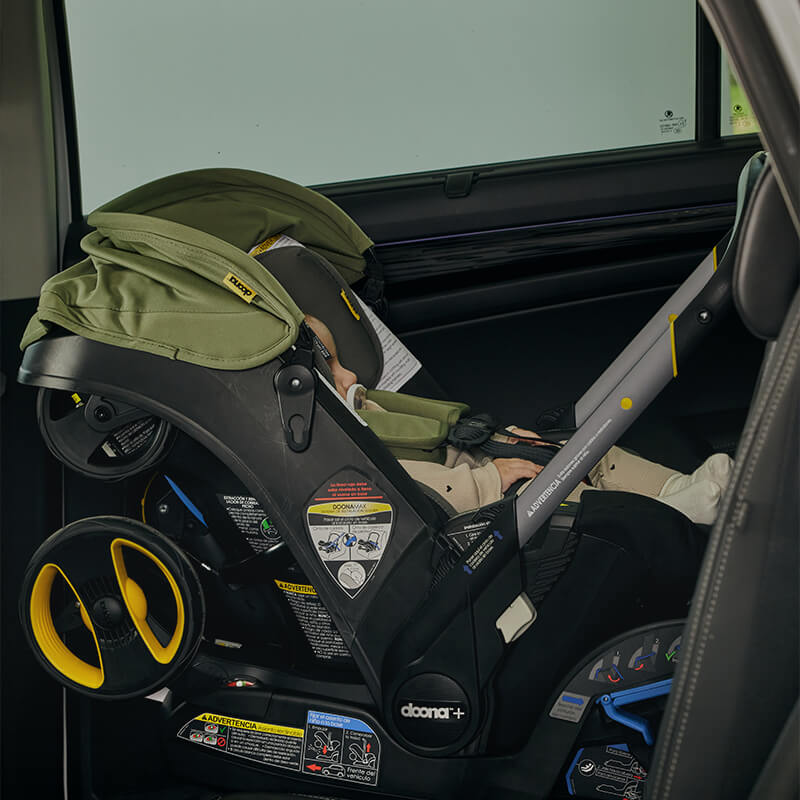
At Doona, we’re committed to making parenting simple for every family. That's why we’ve created our innovative and revolutionary Doona Car Seat & Stroller, transforming from car seat to a stroller in seconds; and Liki Trike — the most compact folding toddler trike on the market that grows alongside your toddler from 10-36 months.


