









How to build healthy eating habits that last through childhood
Between school drop-offs, grocery runs, and the daily question of "What's for dinner?", feeding a family can be a lot to manage. Fortunately, building healthy eating habits for kids doesn't require complicated recipes or strict rules. It starts with everyday experiences: sharing meals, exploring ingredients, and letting children take part in the process. Here are some practical ways to make those moments count.
What are healthy eating habits for kids?
For babies and toddlers, healthy eating habits often begin with the simplest everyday routines. During the first year, breast milk or infant formula remains a main source of nutrition. Around six months, when babies are developmentally ready, solid foods can gradually be introduced, bringing new opportunities to explore food. As children grow, their nutritional needs and eating habits naturally evolve. The guidance below covers a range of ages and stages, so not every habit will apply to every child. For example, what's appropriate for a six-month-old just starting solids will look very different from what's suitable for a toddler or older child. The key is to adapt these habits to your child's age, development, and individual needs. Here are 10 healthy eating habits to help build a positive relationship with food:
Start with a balanced breakfast: Once your child is eating regular meals, offer a nutritious breakfast with a combination of protein, fiber-rich foods, and healthy fats.
Offer a variety of foods: Include different food groups, from whole grains and proteins to fruits, vegetables, and age-appropriate dairy products or alternatives.
Include fruits and vegetables daily: Explore different colors, flavors, and textures to make variety a familiar part of everyday meals.
Make water a regular choice: For toddlers and older children, offer water regularly instead of sugary drinks. From around six months, babies can also have small amounts of water with meals, while breast milk or formula remains their main source of nutrition during the first year.
Enjoy meals together: Make family mealtimes an opportunity to connect, share conversations, and model positive eating habits.
Keep introducing new foods: Offer unfamiliar ingredients alongside familiar favorites, giving children time to explore without pressure.
Establish regular meal and snack times: Create a predictable routine that helps children recognize when it's time to eat.
Get children involved in food preparation: Invite them to choose ingredients or take part in simple, age-appropriate kitchen activities.
Encourage mindful eating: Give children time to enjoy their meals and learn to recognize their own hunger and fullness cues.
Keep a balanced approach to treats: For older children, make room for occasional treats without labeling foods as good or bad or using them as rewards.
Encourage curiosity about new foods
Let them see you try it first
Ever notice how a child suddenly wants a bite of whatever you're eating? Make the most of that curiosity. Enjoy a new fruit or vegetable yourself, describe its flavor or crunch, and invite your child to try some if they show interest. Seeing a parent explore food can encourage their own curiosity about new ingredients. Speaking kindly about food and bodies matters, too: children notice those conversations.
Give unfamiliar flavors time
A first refusal doesn't have to be the final answer. Offer small portions of unfamiliar foods alongside something your child already likes, and bring them back another day without insisting on a taste. Touching, smelling, or helping prepare an ingredient can be part of getting comfortable with it. Children have preferences, just as adults do; the goal is to keep discovery welcoming rather than turn dinner into a negotiation.
Create positive family mealtime habits
Sharing a meal is about more than what's on the plate. It's also an opportunity to slow down, connect, and give children space to express themselves. According to family therapist Anne Fishel, featured in a Harvard Graduate School of Education interview (opens in a new tab), enjoyable conversations are an important part of the family mealtime experience. Instead of always asking "How was your day?", try something more playful. Invite everyone to share their favorite moment of the day, something that surprised them, or one thing they're looking forward to tomorrow. Even a short breakfast together or a relaxed weekend lunch can become a meaningful family ritual. What matters is making room for conversation and helping children feel that their thoughts are worth listening to.
Make food discovery part of everyday adventures
Food can be explored well beyond the kitchen. At the grocery store, ask your child to choose one seasonal fruit or vegetable. Visit a farmers market, grow herbs on a windowsill, or let them wash produce and stir ingredients at home. On a trip to the park or a weekend outing, pack a few varied, age-appropriate snacks and talk about what you've brought. Make sure young children are seated and supervised while eating, rather than snacking in a moving stroller. These moments connect food with curiosity and family time, without needing a special lesson.
How to build healthy eating habits for kids through simple routines
Let seasonal ingredients inspire your menu
Each season brings new fruits and vegetables for little ones to discover, offering opportunities to explore different colors, flavors, and textures. Think berries and tomatoes in summer, apples and squash in fall, or citrus fruits in winter. Inviting children to notice these changes is a hands-on way to show them where food comes from and how ingredients change throughout the year.
Give your child a "You pick" night
Choose one meal each week when your child helps decide what's on the menu. Homemade pizza, a favorite pasta dish, or breakfast for dinner can all work. Offer younger children two or three choices; older children can help select ingredients or prepare the meal. It gives them a sense of ownership and gives you one less decision to make.
Small choices that grow with your child
A shared family meal, a new fruit discovered at the market, or one curious first taste can each help shape your child's experience with food. Give them opportunities to participate and discover what they enjoy. Over time, those shared moments can become habits they carry into childhood and beyond.
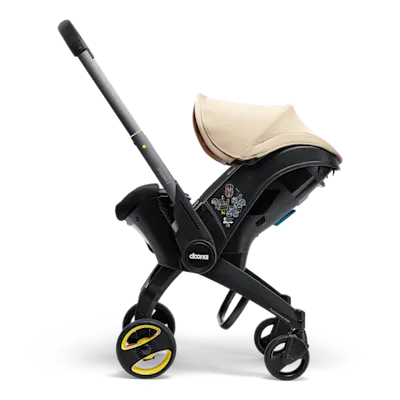
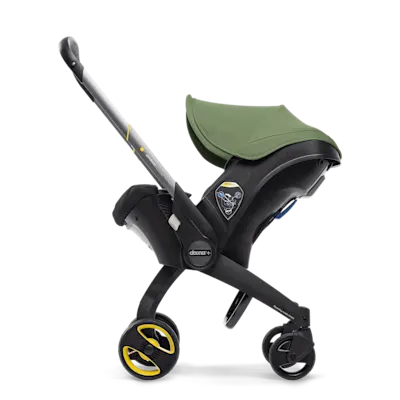
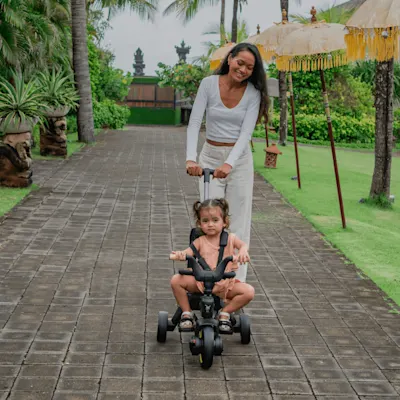
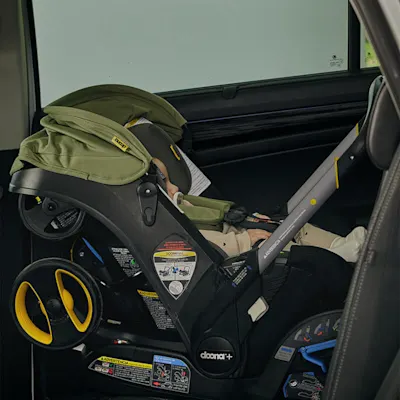
At Doona, we’re committed to making parenting simple for every family. That's why we’ve created our innovative and revolutionary Doona Car Seat & Stroller, transforming from car seat to a stroller in seconds; and Liki Trike — the most compact folding toddler trike on the market that grows alongside your toddler from 10-36 months.


