









Early literacy activities for toddlers that make learning an adventure
The importance of literacy in your child’s early years cannot be overstated. As they grow and begin to explore the world, the foundation you instill in them will be how they communicate, learn, and connect for years to come.
But what exactly is literacy?
Literacy, most simply, is the ability to understand and use language for reading, writing, speaking, and communication. It plays a central role in how children experience and make sense of the world. Everyday conversations, shared stories, and small discoveries all contribute to building strong language skills for your little one. With the right activities, you can encourage communication and help your toddler develop essential language skills in a way that feels fun for both of you. In this guide, we’ll explore easy, engaging activities that turn everyday moments into powerful learning experiences outside the classroom.
What early literacy looks like in toddlerhood
Research shows that by age 2, the average toddler will know up to 300 words, but literacy in toddlerhood is much more than that. Literacy in toddlerhood can look like:
Rhyming simple words
Understanding book plots and concepts
Pretending to read or write with scribbles
Asking a lot of questions about the world around them
Easy early literacy activities at home
There are so many ways to embrace and develop early literacy from your home. Here are some easy activities to increase your toddler’s literacy skills.
Daily story time
Reading with your toddler every day isn’t just a fun activity; it also plays an important role in supporting their early literacy development. A 2021 study, “Shared-Reading Onset and Emergent Literacy Development (opens in a new tab),” found that shared reading is strongly linked to increased vocabulary, grammatical awareness, and stronger reading skills later in life. What matters most is how you read together. Engaging your toddler throughout the story by asking questions and encouraging conversation has been shown to support language development even further.
If you’re not sure what to say, you can ask simple questions like:
How did the character feel?
Who is your favorite character?
What do you think will happen next?
Singing songs
Did you know the songs you sing with your toddler can improve their literacy skills? Whether it’s classic nursery rhymes or the latest “Cocomelon” sing-along, songs and rhymes help children recognize and play with the sounds in words, an important foundation for reading development. The 2021 study “Shared-Reading Onset and Emergent Literacy Development,” also found that this type of sound awareness is a strong predictor of later reading ability. Musical activities that include rhyming, repetition, and rhythm help toddlers identify patterns in language and strengthen their listening and comprehension skills. You can join a baby music class at your local library or playgroup, or simply create musical moments at home through songs during playtime, bath time, or your daily routine.
Play pretend together
If you have a toddler, pretend play is probably already part of your everyday life. The good news is that all those hours of developing characters and storylines are an amazing way to develop and improve their early literacy skills.
A 2020 study, “Pretend Play and Early Language Development—Relationships and Impacts: A Comprehensive Literature Review,” (opens in a new tab) found a strong connection between pretend play and language development. When children create characters, act out stories, and interact with others through imaginative play, they tend to use a wider vocabulary, build more complex sentences, and strengthen their storytelling abilities.
Whether you’re running a pretend grocery store, packing for an imaginary vacation, or hosting a tea party with stuffed animals, these playful moments encourage communication, creativity, and early literacy development in a fun and meaningful way.
Drawing and scribbling
Drawing and scribbling are more than just creative activities, they also play an important role in supporting early literacy development. Research from the 2026 study “Emergent Writing in Early Childhood: Developmental Patterns in Drawing, Scribbling, and Letter-Like Forms” (opens in a new tab) suggests that drawing and scribbling are key parts of emergent writing development, helping lay the foundation for stronger reading skills later on. As children scribble, they begin to understand that marks on a page can represent meaning, ideas, and eventually letters and words. These early drawing experiences also help toddlers develop the fine motor skills needed for writing while encouraging creativity, communication, and self-expression. Whether your little one is creating colorful masterpieces or simple squiggles, every mark they make is helping strengthen important early literacy skills in a fun and natural way.
Building a simple weekly literacy routine
Supporting your toddler’s literacy development does not require a complicated plan. Many of the most effective activities, such as reading together or engaging in pretend play, are likely already part of your daily life. What matters most is consistency. Small, everyday moments build on each other, helping to strengthen language, comprehension, and communication skills over time. By weaving simple, literacy-focused activities into your weekly routine, you can create lasting benefits without adding pressure to your schedule.
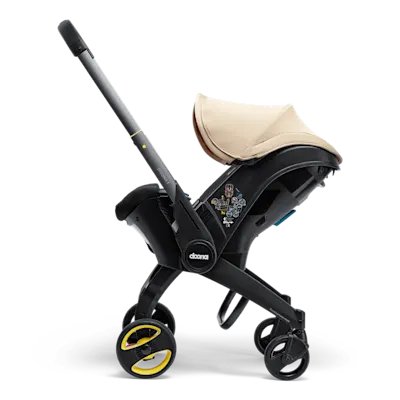
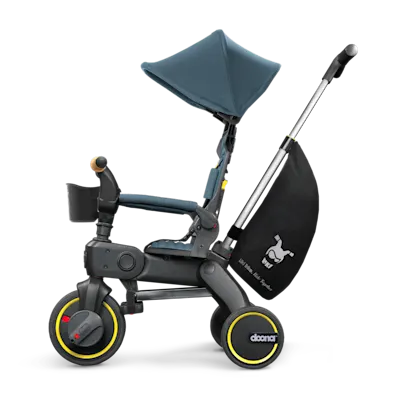
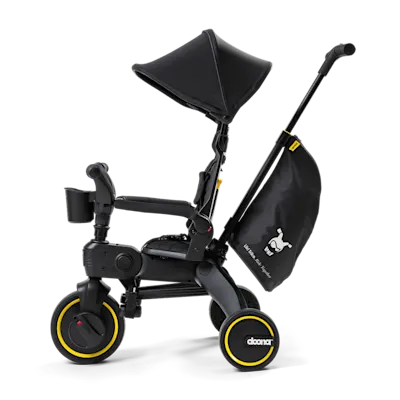
At Doona, we’re committed to making parenting simple for every family. That's why we’ve created our innovative and revolutionary Doona Car Seat and Stroller, transforming from car seat to a stroller in seconds; and Liki Trike - the most compact folding toddler trike on the market that grows alongside your toddler from 10-36 months.


