











Insights on breastfeeding and mental health for mom and baby with Shelly Jacobs
In our latest Insight Series, we’re sharing an in-depth guide on feeding your new baby from International Board-Certified Lactation Consultant, creator of The Lolo Baby, and mom of three, Shelly Jacobs. She opened up about overcoming postpartum depression as a new mom while shedding light on how to get to the other side: a happy life with your baby. From how to set your milk supply up for success to how to seek support, Shelly’s insights are a total gamechanger. Keep reading to experience true wisdom and the soothing reassurance every new and expecting mom needs!
Can you tell us a bit about yourself and what inspired you to become an International Board-Certified Lactation Consultant?
I’m Shelly Jacobs, an International Board-Certified Lactation Consultant and mom of three who is deeply passionate about helping families feel confident, informed, and supported as they feed their sweet babies. Whether it’s breastfeeding, bottle feeding, pumping, or combo feeding, I’m here to support moms with a zero-judgment approach. Every mom and every baby are incredibly unique, which is why I will never understand judgment in the motherhood community.
My passion was sparked when I experienced complications with breastfeeding my daughter and struggled with postpartum depression and anxiety. After that experience I knew I wanted to help new moms during this vulnerable, transformative and beautiful postpartum time. I now look at that difficult time as my greatest blessing, because it led me to my life’s work!
My mother-in-law, Dr. Jane Morton, an internationally recognized expert in the field of human lactation, has dedicated her life’s work to helping mothers breastfeed. I was beyond lucky to have her by my side during that time. We began to collaborate, creating pathways for expectant and new mothers to protect their own breastfeeding experience and reduce the risk of complications, by focusing attention on the first hours after birth. Our educational website www.firstdroplets.com (opens in a new tab) is shared around the world to help new mothers.
What are the most common misconceptions about breastfeeding, and when is it important for parents to seek professional guidance?
One of the biggest misconceptions is that breastfeeding should come naturally and feel easy right away. I went into motherhood with that same expectation, and I think many women do.
While there are certainly cases where things go smoothly from the start, most families would benefit from some prenatal education and realistic expectations. I see every day how much of a difference preparation before delivery can make. We can prevent so many common breastfeeding issues, with a little bit of prenatal education!
I have a prenatal course called Early Milk Matters (opens in a new tab) and I’ve seen what a difference it makes in breastfeeding outcomes. We can help prevent low milk supply by utilizing the early hours and days after delivery to maximize milk production, which is the key to successful breastfeeding! Starting off with the proper positioning also makes a world of difference. Proper attachment helps the baby more efficiently transfer milk, helps prevent nipple pain, and it will be much more comfortable for you and your baby.
While breastfeeding is biologically normal, it is also a learned skill for both parent and baby! Many families need support in the beginning, and that is completely normal.
Another common misconception is that pain is something you just must push through. Persistent pain, damaged nipples, poor weight gain, long or very frequent feeds, or concerns about milk supply are all signs to seek support sooner rather than later. Early guidance is the key here. It can often prevent small challenges from becoming overwhelming ones — and make the feeding journey much more sustainable and enjoyable!
For new parents facing challenges like latching difficulties or low milk supply, what strategies can help support successful feeding without adding stress?
As I mentioned above, the key to successful breastfeeding is making plenty of milk. The easiest way we can maximize production is early on. It is in the hours after delivery that your body is getting programmed to make more milk. So, the more colostrum you can remove, the more milk you will make in the long term.
Essentially, the most important thing you can do to make more milk sooner is to remove colostrum from the breast early, frequently and effectively. Even the first hour is important. Begin removing milk in that first hour after delivery and then every 2-3 hours after that. So, even if your baby doesn’t latch on perfectly — and many babies don’t — you can easily hand express. Hand expressing colostrum after delivery and feeding it to your baby in a spoon or a Colostrum Collector, (opens in a new tab) can help prevent excessive weight loss and jaundice.
You want to know how to remove milk early, frequently and effectively, even if your baby doesn’t breastfeed perfectly in the first hour. That is why it is good to develop hand expression skills before delivery.
It is very common for women to realize later that they are not making enough milk for their baby. If this is you, you are not alone! It is the most common thing I see, and this is how I best recommend increasing supply.
The bottom line is… to make more milk, you must remove more milk!
Your hands can help you remove extra milk that the pump or baby won’t always get. Our new video called “how to boost your milk supply’ (opens in a new tab) shows exactly how to increase your supply by using your hands!
As you will see in our video, it is a combination of hand expression, hands-on pumping and keeping close contact with your baby. If you notice a dip in your supply, you can dedicate a week to hand expressing between feeding or pump sessions. We recommend to briefly hand express 6 times a day. This will increase the amount of milk you get out, signaling to your body to make more.
Many women try all the things, with no success and this is where giving ourselves grace comes in. It’s one of the most challenging lessons of motherhood, that for me comes up over and over! At the end of the day, we can only do so much, so if things are not working, we need to reassess the plan. The most important thing is that we are present to enjoy the early days with our baby. A mother’s mental health will always be the top priority for me.
What are some lesser-known benefits of lactation for both parent and baby?
Beyond nutrition, breastfeeding supports regulation. Many babies feed not only for calories, but for comfort, nervous system calming, and connection. Breastfeeding in the bathtub is one of my favorite techniques for co-regulation between mom and baby. Breastmilk composition also changes dynamically to meet baby’s needs. It is truly incredible.
For parents, lactation can support bonding, hormonal regulation, and recovery after birth. Many are surprised to learn that breastfeeding can release oxytocin, the hormone connected to relaxation and attachment. It can be a beautiful tool for connection when it is supported well. But like I said earlier, if it is not working there are so many ways to bond and connect with your baby, including bottle feeding.
What are your top tips for navigating feeding challenges and building confidence in the early months?
My first tip is to try not to expect perfection. Babies are learning. Parents are learning. You are allowed to be new at this. Oftentimes, breastfeeding gets much easier with time. Other times you run into curveballs and must reassess the plan and adjust accordingly. I have experienced both in my two entirely different breastfeeding journeys and I am sure new things will come up with my baby on the way!
Second, ask for help early. You do not need to wait until things feel unmanageable. Having support lined up before delivery is crucial!
Third, focus on the next feed, not the next six months. Early parenthood feels much lighter when you take it one step at a time, one day at a time!
And finally, trust that confidence is built through experience, not instant certainty. You become confident by doing, adjusting, and continuing.
Also, know if you do experience challenges, it will likely be a gift that you can help another friend by sharing your experience down the road!
Many parents experience unexpected mental health challenges after birth. How have your experiences shaped the way you support families through this journey?
Postpartum can be beautiful and incredibly vulnerable at the same time. Many parents are shocked by how emotional, intense, and identity-shifting the transition can feel. I was completely blindsided with my first. I had trouble bonding with my daughter, which I would never have expected. For me, love and confidence grew with time, and now I know that is very common. I was grieving my old life while stepping into an entirely new life of motherhood.
I am so grateful for all my experiences and hardships in motherhood. They have led me to understand and empathize so much more with parents I work with. Supporting families has shown me that feeding struggles are rarely just about feeding. It is our first job as a mother to feed our babies, so when it doesn’t go as expected we can often feel like we failed. Then insert exhaustion, anxiety, birth trauma, relationship shifts, and unrealistic expectations on top of breastfeeding. That is why I support the whole parent, not just the feeding. Families deserve care that sees the emotional side of postpartum, not only the practical side.
Even as a lactation consultant, my son self-weaned when I went back to work. I was heartbroken, as I expected to breastfeed for longer. I now know for certain; I went through that experience to better connect with moms.
How can parents prioritize their mental health while navigating breastfeeding and the demands of early parenthood?
Mental health is not separate from feeding success — it is part of it. A supported parent feeds differently than a depleted one. Having support makes a world of difference! Whether it is a partner, friends, family, or a doula, we are not meant to do this alone. I learned this the hard way and experienced such a different postpartum with my second because I was able to better ask for support.
Lowering expectations has been a huge one for me. Letting go of perfection. Prioritize rest whenever possible, lower the bar on nonessential tasks, and accept help without guilt. Nourish yourself, hydrate, and get outside when you can. If feeding is causing significant distress, I encourage you to reassess the plan. Outside support can be very helpful here.
There are many ways to be a wonderful parent. Your wellbeing matters deeply. For you, your baby and everyone around you!
What role do supportive communities or peer networks play in a successful breastfeeding journey, and how can parents find the right support?
Support can be everything. When parents feel seen, encouraged, and informed, challenges become much more manageable. Sometimes what someone needs most is hearing, “You’re not doing anything wrong. This is hard, and you’re not alone.” I know that is what I needed!
Healthy boundaries are also super important and something I am still learning 10 years into motherhood. To support breastfeeding, I always suggest limiting visitors in the early days. Those early days are crucial for establishing a good milk supply and you are feeding around the clock. Hosting visitors may interfere with getting breastfeeding off to a smooth start.
I encourage families to build both professional and peer support: an IBCLC, trusted healthcare providers, parent groups, and friends who respect their goals. Look for spaces that feel compassionate and free of shame and judgement. The right support should leave you feeling stronger, not smaller!
Shelly Jacobs is an International Board-Certified Lactation Consultant, creator of The Lolo Baby (opens in a new tab), and mom of three. Stay connected with Shelly through her Instagram handle @shellyjacobs_ibclc (opens in a new tab).
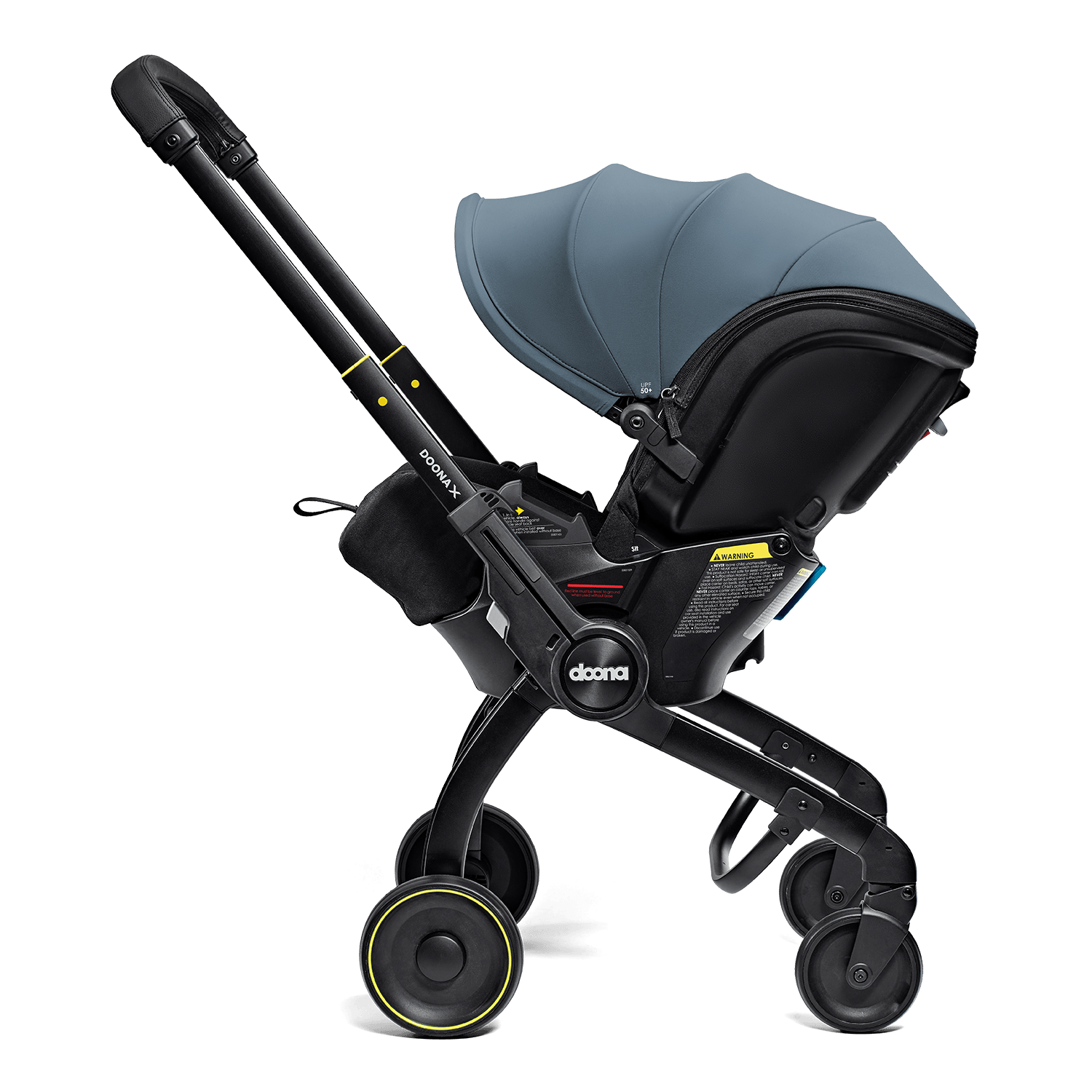
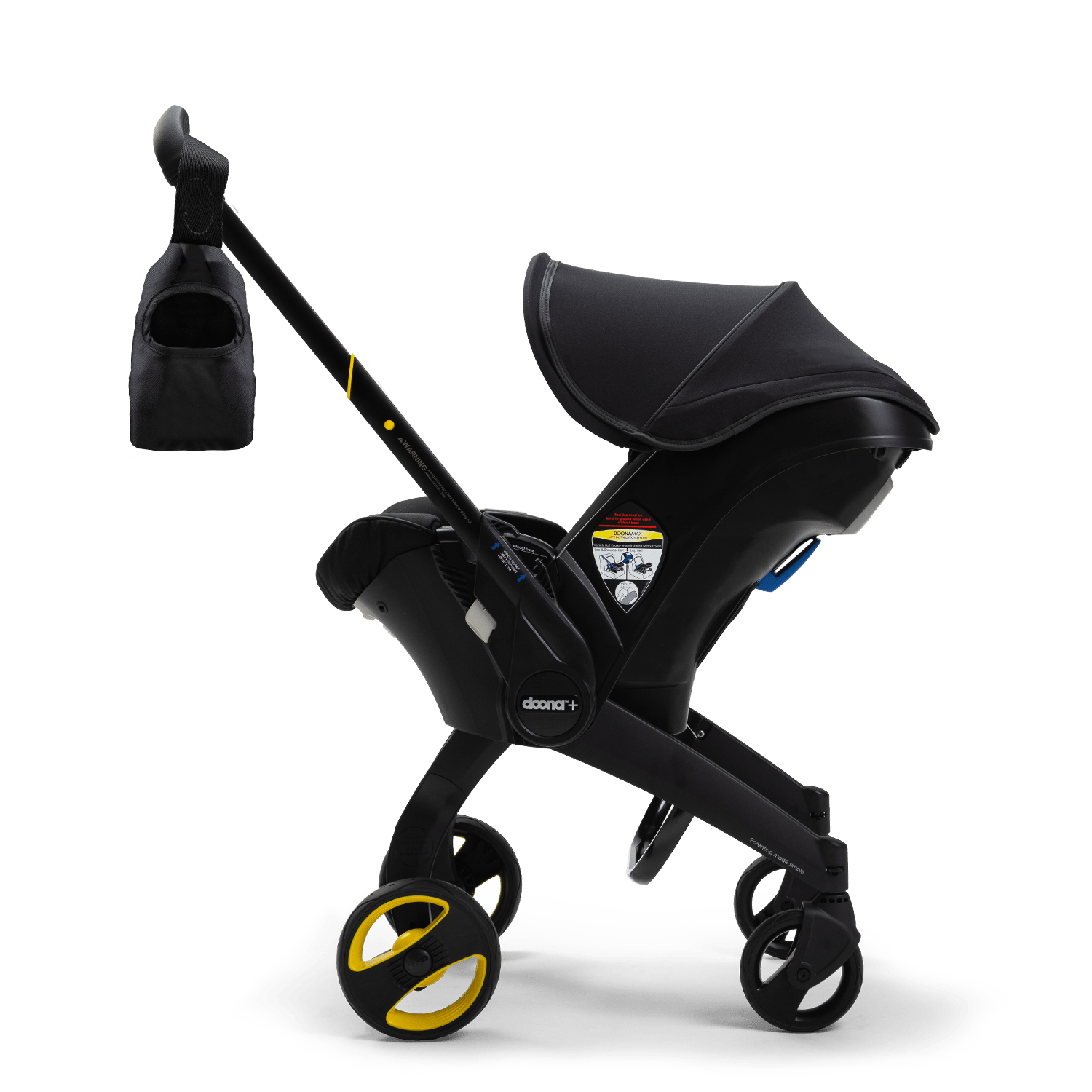
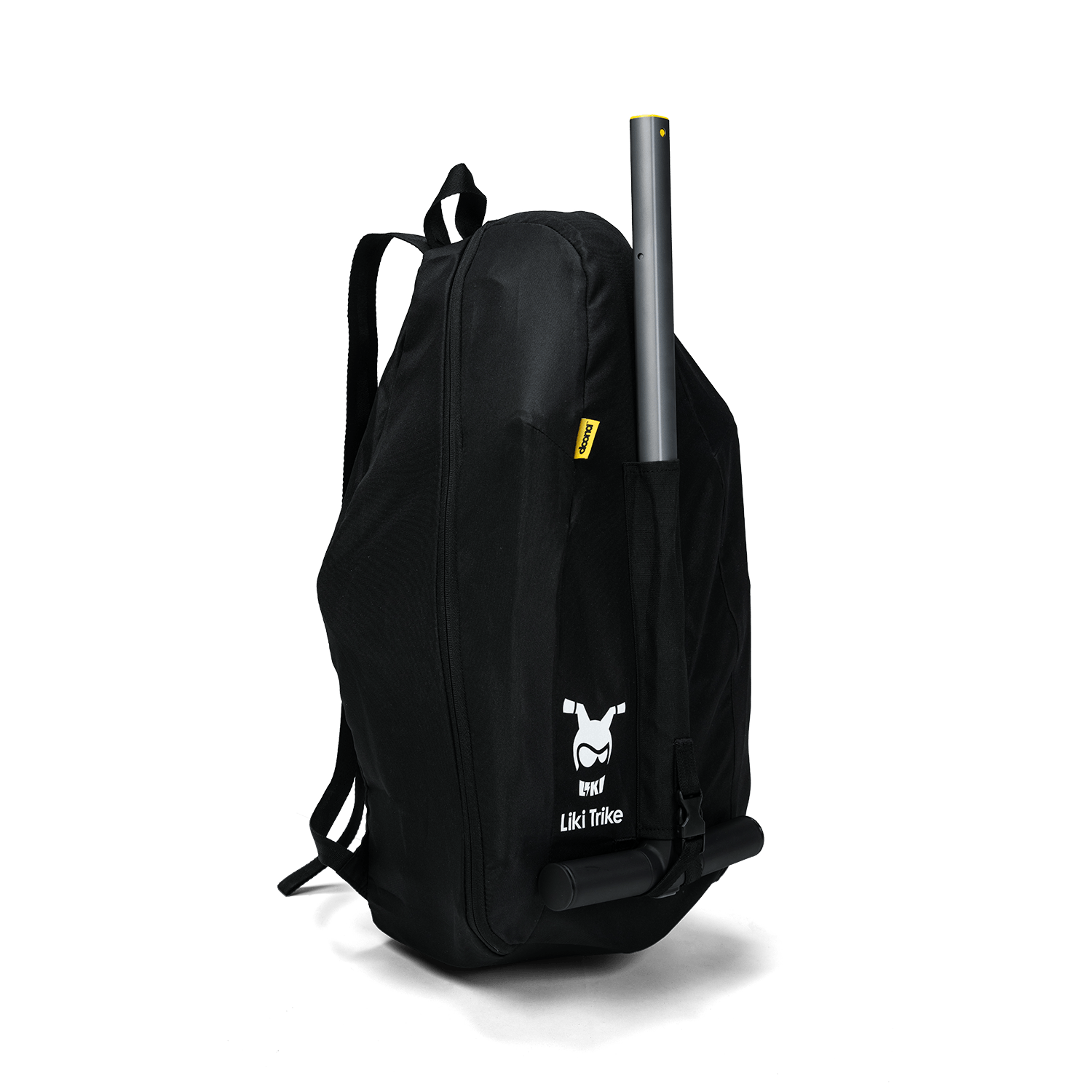
At Doona, we’re committed to making parenting simple for every family. That's why we’ve created our innovative and revolutionary Doona Car Seat and Stroller, transforming from car seat to a stroller in seconds; and Liki Trike — the most compact folding toddler trike on the market that grows alongside your toddler from 10-36 months.


