



Why your child needs a 5-point harness car seat
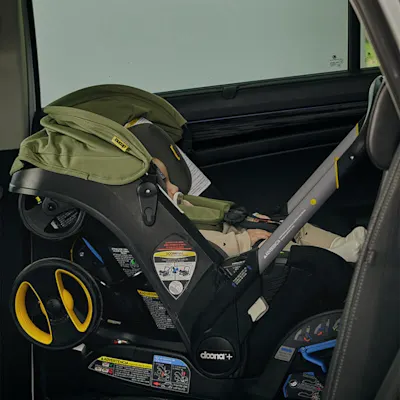
When it comes to preparing for a new baby, one of the most important purchases parents make is a car seat. Not only is a car seat legally required, but it's also a safety device that protects little ones while traveling in a vehicle and on public transport. Among the different types of car seats including Doona Car Seat & Stroller, the 5-point harness car seat is crucial for newborns. Below we'll explore why babies need a 5-point harness car seat and why it's essential to ensure your car seat includes one.
What is a Five-Point Harness Car Seat?
The five-point harness car seat is considered the gold standard for safely securing infants and toddlers in a vehicle.
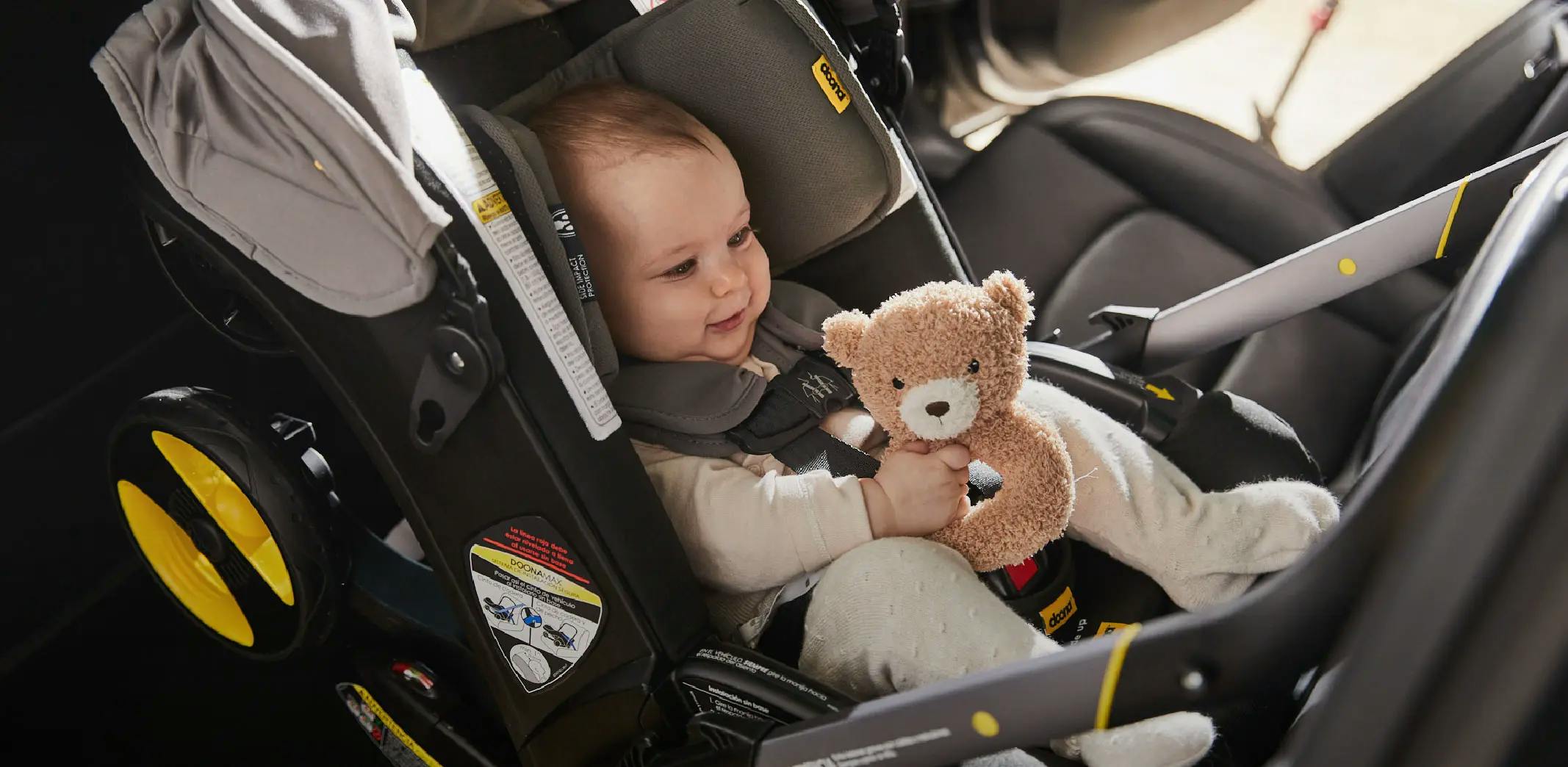
This design is essential because it protects your child's delicate neck and spine. It is named for the five crucial attachment points—two at the shoulders, two at the hips, and one at the crotch—which work together to evenly distribute the force of impact across the child's strongest skeletal points. This mechanism significantly lowers the likelihood of harm or fatality in the event of a crash.
The five-point harness is a crucial safety feature for all newborns and should be used until your child meets the car seat's maximum height or weight limits, providing the necessary adjustable security to ensure a snug and proper fit as your little one grows and develops.
So why is a 5-point harness car seat essential?
Since babies are not fully developed, they are more susceptible to injury in a car accident. The harness offers the necessary support to safeguard their delicate neck and spine during a collision, with the force distributed evenly to the strongest parts of their body, particularly their shoulders and hips, lowering the likelihood of harm or fatality. As a result, the 5-point harness is now regarded as the most dependable safety feature for child car seats and is incorporated into both rear-facing and forward-facing seats.
In the case of a 3-point harness, which restrains the child at the lower abdomen, the child may fold over the belt or restraint during a crash. This can cause the belt to intrude into the abdomen area, potentially leading to significant injury. For this reason, a 5-point harness is often considered a safer option for babies and toddlers. However, keep in mind that 5-point harnesses are only suitable for children up to 40lbs, after which you'll need to switch to a car seat that uses a 3-point seat belt system such as a booster seat.
Besides keeping your little one safe, 5-point harness car seats have some other awesome benefits. For starters, they help to keep your baby securely positioned during sudden movements like stopping or turning, reducing the risk of injury. According to the American Academy of Pediatrics (AAP), using a 5-point harness can lower the risk of injury by 82%. Plus, they stop your child from climbing out of their seat while you're driving - a big relief for parents.
Another advantage of a 5-point harness car seat is that it allows for adjustable harness heights and strap lengths, which can accommodate the baby's growth and development. This feature ensures that the harness is snug and secure, minimizing the risk of the baby slipping out of the car seat or being ejected during a crash.
Rear-facing car seat vs. Front-facing car seat
It is also important to note that the American Academy of Pediatrics (AAP) recommends that all children should ride in a rear-facing car seat until they are at least two years old or until they reach the highest weight or height allowed by the car seat manufacturer. This recommendation is based on research that shows that rear-facing car seats provide the best protection for young children in a crash. Parents have three primary choices for rear-facing car seat: the dedicated infant car seat, the versatile convertible car seat, and the flexible combination car seat.
Once they have outgrown their rear-facing seat (ideally around age two), it's time to transition to a forward-facing car seat. This essential safety device typically uses a reliable harness and top tether to secure your child. It is paramount that your child remains in this seat until they reach its maximum weight or height limits, often around the age of five. Forward-facing seats are available in several formats, including convertible car seats, combination seats, and all-in-one systems.
From five-point harness car seat to booster seat
Parents should not rush to move their children out of these seats; most kids can safely fit into 5-point harness car seats well beyond age four, with many manufacturers designing harness heights to be adjustable and usable up to age 7 or 8. Booster seats are simply not as safe as the harnessed seats for young children. When a child finally outgrows the forward-facing car seat's harness by weight or height, a belt-positioning booster seat must be used. This transitional seat is always used in the back seat with the vehicle's seat belt.
A booster seat's critical function is to raise the child so the vehicle's seat belt fits properly across their body. The correct fit means the lap belt lays across the child's upper thighs, and the shoulder belt crosses the center of their chest and shoulder, never resting across the neck or face. Children continue to use a booster seat until they can achieve this proper seat belt fit without it, which typically occurs between the ages of 9 and 12. Boosters come in different types, such as a backless booster—a specialized cushion that includes a belt guide to ensure the seat belt is correctly positioned for secure restraint.
How do you correctly adjust a five-point harness car seat?
Ensuring your little one is secured correctly in their 5-point harness car seat is absolutely crucial for their safety and your peace of mind. Here is a quick guide to making sure that your harness is doing its job perfectly on every trip:
Adjust the Harness Height: This is vital for maximum protection.
For a rear-facing car seat, the shoulder straps must be positioned at or below your child’s shoulders.
If your car seat is forward-facing, the shoulder straps should be at or above their shoulders.
Position Your Child: Make sure your baby is sitting all the way back in the seat without slouching. The harness straps should go over their shoulders, down their chest and hips, before being buckled between their legs.
Tighten the Straps (The Pinch Test): The harness should be snug and secure every single time. A simple way to check is to try to pinch the strap webbing at your child’s shoulder; if you can pinch any excess material, the straps are too loose and need to be tightened.
Position the Chest Clip: After tightening, slide the chest clip up to rest securely at your child’s armpit level (across the sternum). This is what keeps the harness properly positioned over your child's strongest body parts.
Ultimately, the safety and well-being of your child are paramount, and choosing the right car seat is a crucial decision. No matter what type of car you have, it’s essential to find the safest car seat so that it can do its job – keeping your little one protected. Explore Doona’s parenting tips for more essential safety knowledge, like when do car seats expire and the safest place for a car seat in a car.
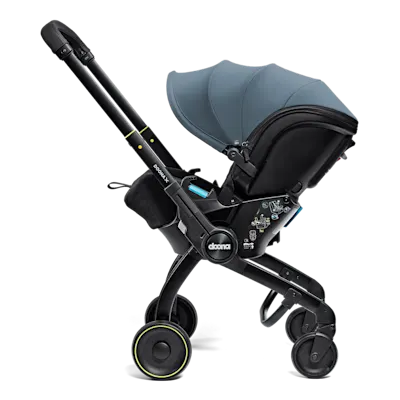
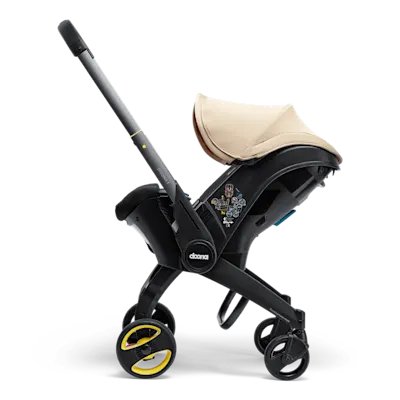
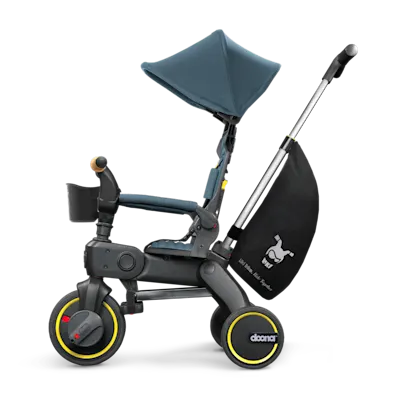
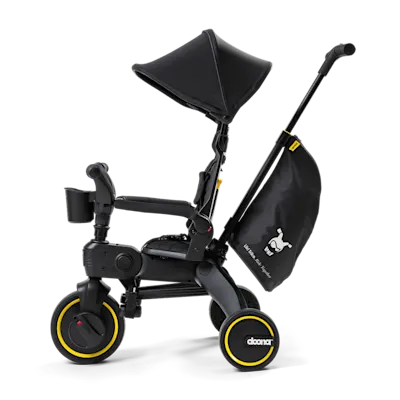
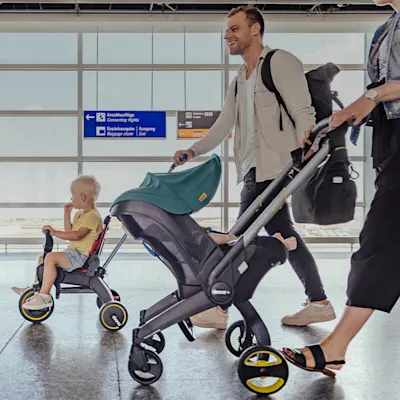
At Doona, we understand the importance of safety and convenience. Our Doona Car Seat & Stroller provides exceptional safety while making every car ride worry-free, from the first trip home to everyday outings. Have a toddler? Our Liki Trike, the smallest folding trike in the market, which folds and unfolds in seconds, is also equipped with a 5-point harness. So don’t stress – we’ve got your little ones covered.


